

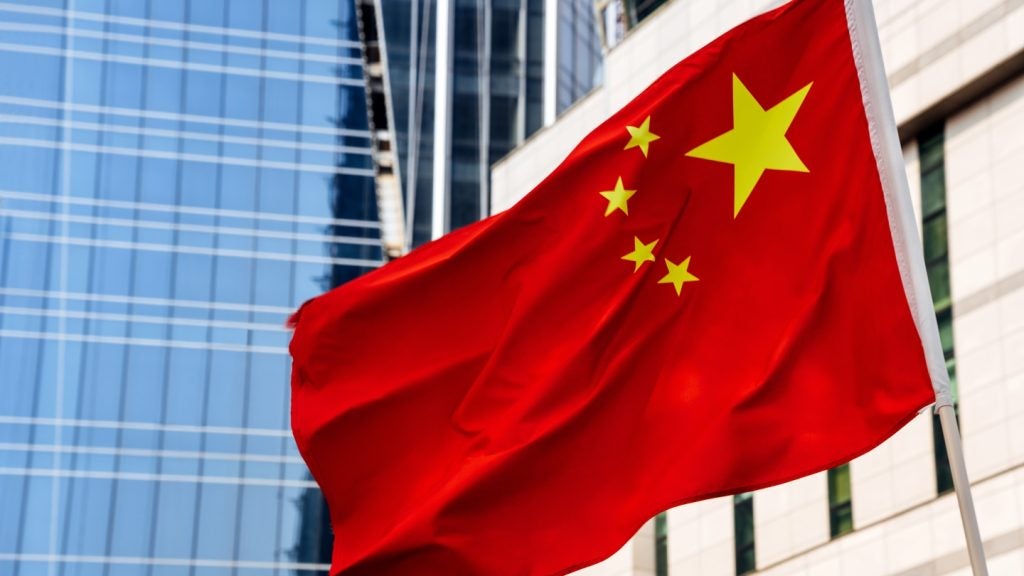
China has implemented a new overseas investment regulation giving the state powers to protect investors from foreign trade barriers and limit sensitive technology transfers abroad.
The State Council's Regulation on Overseas Investment, comprising 34 articles, took effect today (1 July 2026).
Under the regulation, “necessary and defensive measures” are allowed to protect Chinese investors and their interests overseas when foreign governments apply trade-related restrictions.
The rules give authorities the ability to examine such barriers and organise retaliatory action.
Officials cited in a South China Morning Post (SCMP) report described the law as a “milestone in the history of China's outbound-investment development”.
The framework comes after a legal dispute involving Nexperia, a Dutch semiconductor manufacturer owned by China's Wingtech, and the failure of Meta Platforms' planned purchase of Chinese autonomous AI agent developer Manus.
China's outbound direct investment reached 429.42bn yuan ($63.4bn) in the first four months of 2026, up 3.9% year-on-year, the State Council said.
According to Charltons Law Firm's website, as cited in the SCMP report, the regulation is also known as the 2026 rules on outbound direct investment (ODI) and requires Chinese investors to cooperate with authorities if any overseas investigation arises.
Charltons also said the rules bar offshore Chinese investors from making unauthorised use of restricted technologies or data, including through personnel transfers and training programmes.
James Zimmerman, chairman of the American Chamber of Commerce in China, said American businesses were “closely following” the implications of the law for their operations.
Late last month, China placed ten American companies, including rare earth mining and defence groups, on its export control list in response to recent US restrictions.
Beijing said that move was intended to protect national security and fulfil international non-proliferation commitments.
In the same month, China introduced export controls on 40 Japanese organisations and companies during an ongoing dispute with Tokyo.
China's Ministry of Commerce said the latest measures were linked to Tokyo's pursuit of “new militarism”.