
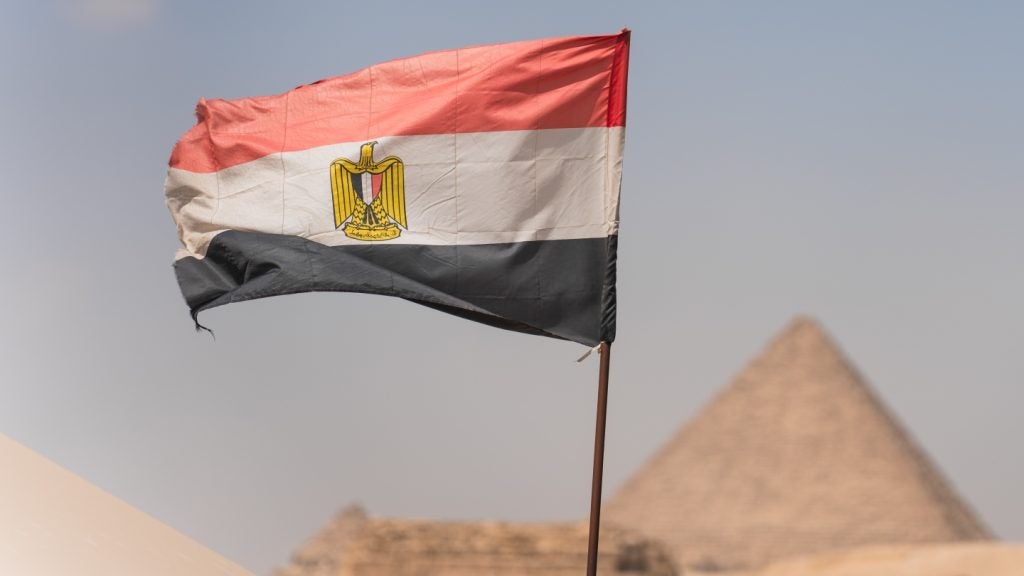
The International Monetary Fund's (IMF) executive board has cleared roughly $1.8bn in disbursements for Egypt.
The move follows completion of the country's seventh Extended Fund Facility (EFF) review and second Resilience and Sustainability Facility (RSF) review.
The sign-off gives Egypt immediate access to SDR1.11bn (about $1.5bn) under the 48-month EFF and a further SDR200m (about $272m) under the RSF.
That takes cumulative purchases and disbursements across both arrangements to approximately SDR5.4bn.
According to the IMF, Egypt has absorbed the shock of the Middle East conflict from a firmer macroeconomic footing than it held during earlier bouts of external pressure, pointing to solid growth, easing inflation and a build-up in gross international reserves.
It credited the limited fallout to the government's flexible exchange rate policy, adjustments to energy pricing, and spending restraint.
The current account felt strain in March as oil and gas prices climbed, but the hit was cushioned by record remittances, strong tourism income and a steady rebound in Suez Canal revenue.
IMF deputy managing director and acting chair Nigel Clarke said: “Continued vigilance is needed to safeguard financial stability. The banking sector remains sound, and stronger contingency planning would enhance resilience to downside risks.
"The completion of governance diagnostics of state-owned banks is welcome, and timely implementation of corrective actions should strengthen risk management.”
Structural reform, by contrast, has advanced unevenly.
Egyptian authorities have put in place a State Ownership Policy and simplified customs and tax processes, yet the pace of asset sales has lagged expectations.
The newly concluded Gabal El Zeit transaction, combined with Finance Ministry stake sales in listed companies, has lifted total divestment proceeds to around $520m.
The IMF pointed to significant downside risks, chief among them a fresh flare-up in regional tensions, as well as domestic pressures including social strain on policymaking, heavy rollover and refinancing obligations, and reform delays.
On the upside, it flagged the possibility of a restored US-Iran ceasefire and further recovery in Suez Canal traffic.
Sustained fiscal restraint and faster progress on the State Ownership Policy and divestment plan remain critical to safeguarding macroeconomic stability, the IMF said, alongside a monetary policy stance tight enough to keep inflation expectations anchored.
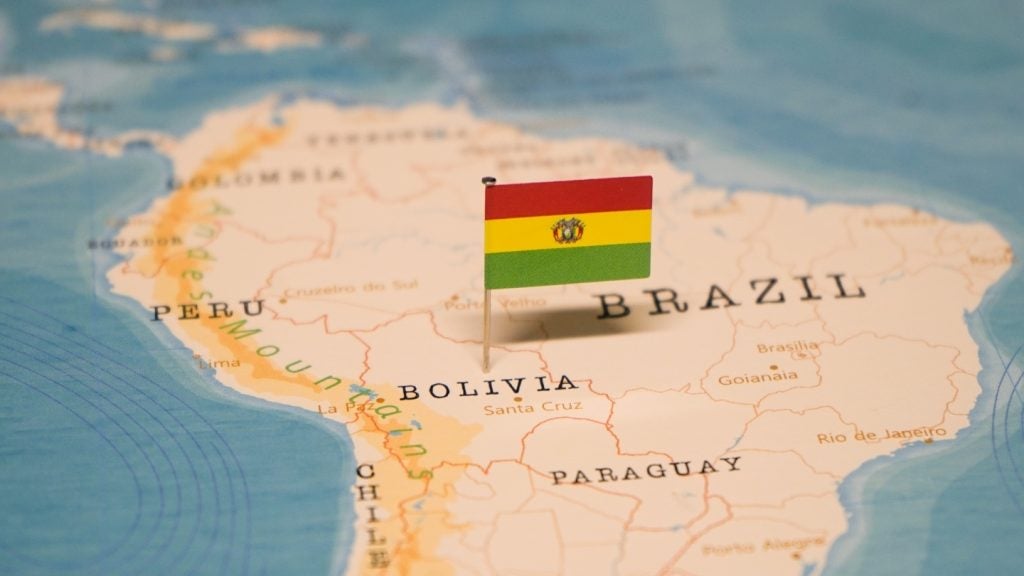
Separately, the IMF reached a staff-level agreement on Wednesday (29 July) with Bolivia for a $1.9bn EFF to back the country's economic reform programme.