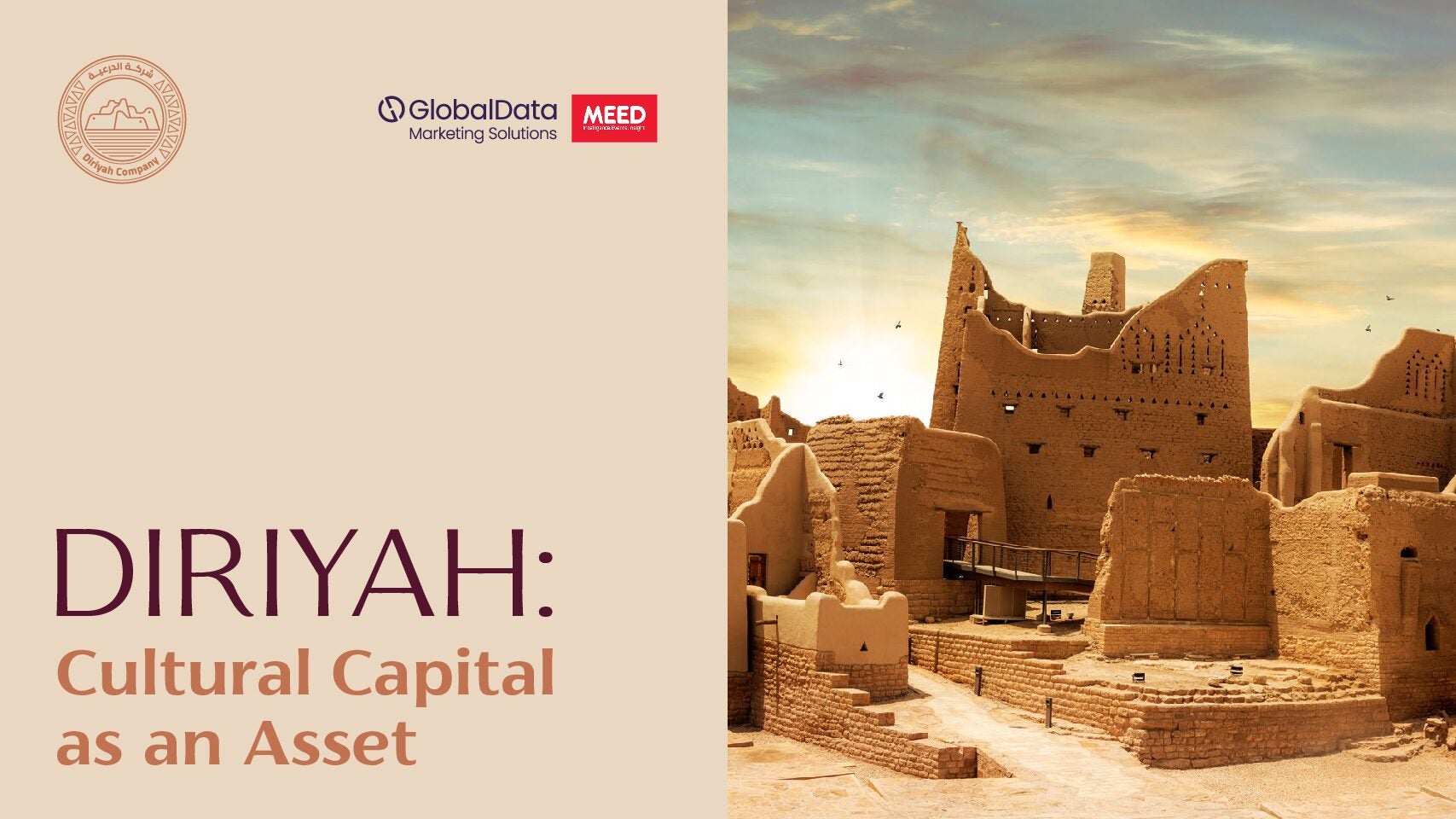
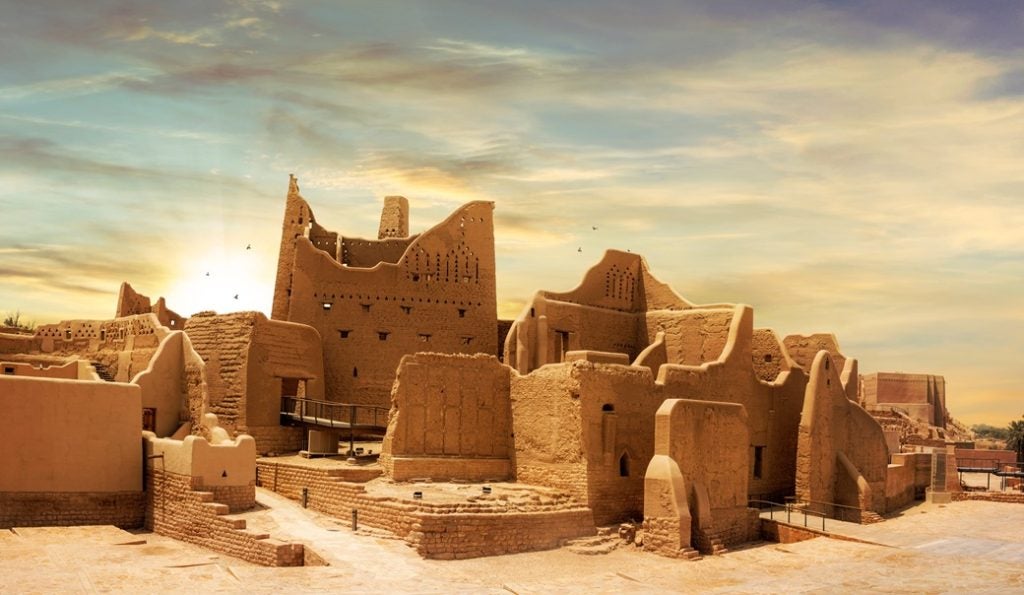
Founded in the 15th century along Wadi Hanifah, Diriyah was to become an important cultural and commercial hub in central Arabia, benefiting from caravan networks that connected communities across the Arabian Peninsula and beyond. The location’s value over three centuries is not the background to why global capital is committing to Diriyah; it is the premise.
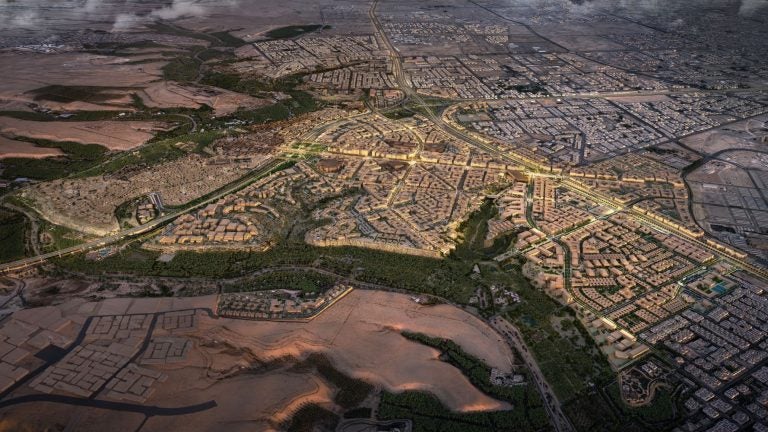
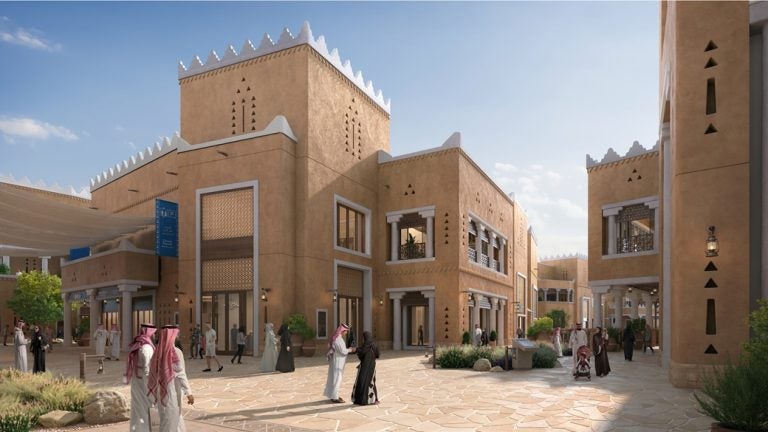
The $63+bn (SAR 236+ bn) development is one of the key projects of Saudi Arabia’s Vision 2030 diversification programme. Built around the UNESCO-listed At-Turaif district, the birthplace of the First Saudi State, Diriyah’s masterplan is structured around two segments. One establishes the cultural core, museums, an opera house, a grand mosque and institutions built around the historic centre. The other brings offices, retail, hospitality and residential development into the same masterplan, so that cultural identity and commercial activity share a single address rather than sitting apart. An address like Diriyah uniquely carries both, which is what the committed brands are buying into.
Aside from Apple opening a flagship store in Diriyah, established hotel operators including Raffles, Four Seasons and Ritz-Carlton have committed to Diriyah to operate 34 properties. By the end of 2025, real estate sales across development have surpassed $4.15bn (SAR 15.6bn), well before large segments of the masterplan are complete. Since it reopened to the public in December 2022, At-Turaif has drawn more than five million visits. It is evident that the heritage core is a destination in itself, beyond a preserved environment, and that the proximity value of the masterplan draws is already there.
Sustainability at Diriyah is rooted in tradition, rather than being an added feature. Najdi design, with its thick walls, shaded courtyards, and natural airflow, means the buildings are structured to naturally handle local climate conditions whilst lowering energy demands. Diriyah did not pursue a green certification; instead, it has refined its building methods based on longstanding traditions, predating modern sustainability standards.
The latest MEED and GlobalData report examines how these elements – heritage, sustainability, and commercial opportunity – combine to shape Diriyah Company’s investment proposition, and what that could mean for businesses and investors evaluating opportunities in Saudi Arabia. To understand what is shaping one of the Kingdom’s most closely watched developments, get in touch with Diriyah Company.